Harvesting Water for Wildlife
Many Texas landowners actively manage their property for native wildlife. Rainwater harvesting for wildlife such as deer and birds has grown in popularity in recent years. This growth is largely driven by landowners who maintain their agricultural tax valuation through wildlife management use.
Many Texans first connect with the outdoors through hunting, fishing, and similar activities. These experiences often inspire a lasting commitment to wildlife conservation. Landowners want to create healthy places where wildlife can live, feed, and thrive. Simply put, people are fascinated by wildlife and enjoy observing their natural behavior.
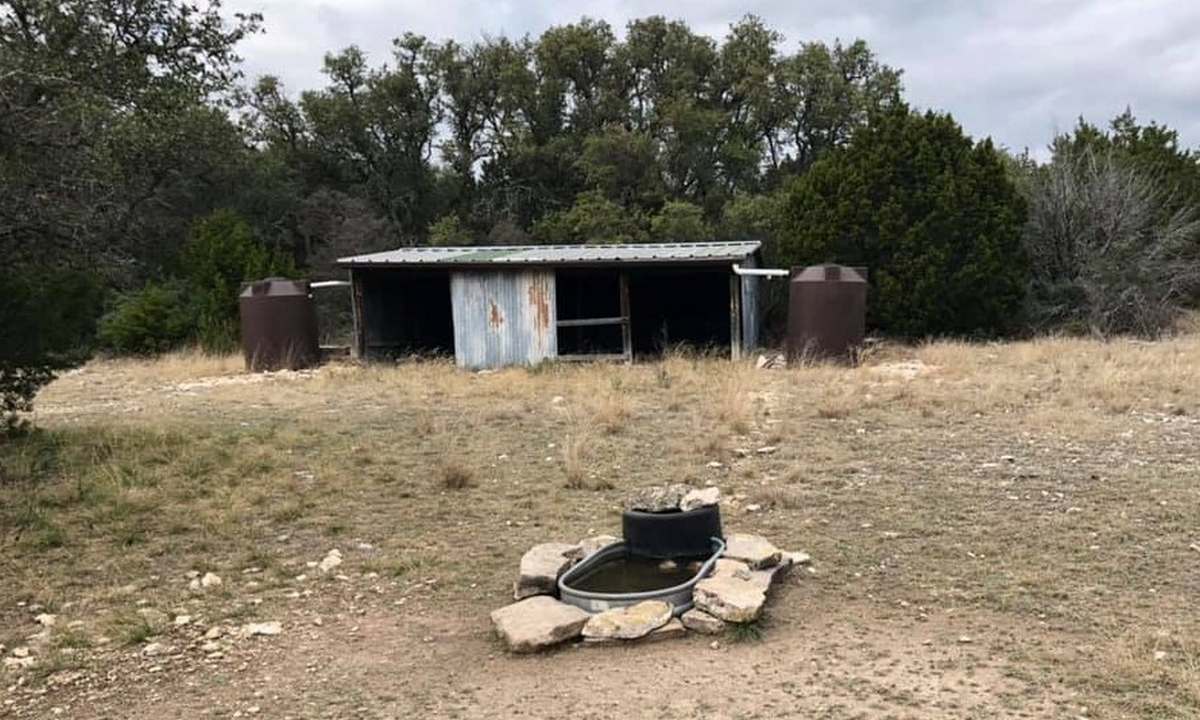
It’s nice to go and see wildlife elsewhere, but we also like to see them where we live — on our property!
To attract birds, deer, and other wildlife, property owners often focus on improving the habitat conditions on their land. They may implement a range of management practices, including brush management, supplemental shelter, native plant restoration, and food plot development. One of the most effective ways to attract and sustain native wildlife, however, is by providing reliable surface water.
In many parts of Texas, natural water sources are limited or seasonal, making supplemental water for wildlife especially valuable during hot and dry periods. Small ponds, wildlife guzzlers, and rainwater collection systems can supply consistent drinking water for mammals, birds, and even beneficial insects. Water not only supports daily survival but also increases wildlife activity, improves habitat use, and enhances overall biodiversity. Simply put, every living creature depends on water, and properties that provide it become natural gathering places for wildlife.
Ponds Versus Rainwater Collection
In some areas, earthen ponds or tanks can be constructed to provide water for wild animals. This benefits a variety of terrestrial wildlife, aquatic wildlife, amphibious wildlife and everything associated with the land-water interface.
However, not all properties have the proper soils for pond construction. Many landowners have found this out the hard way, which is also an expensive way.
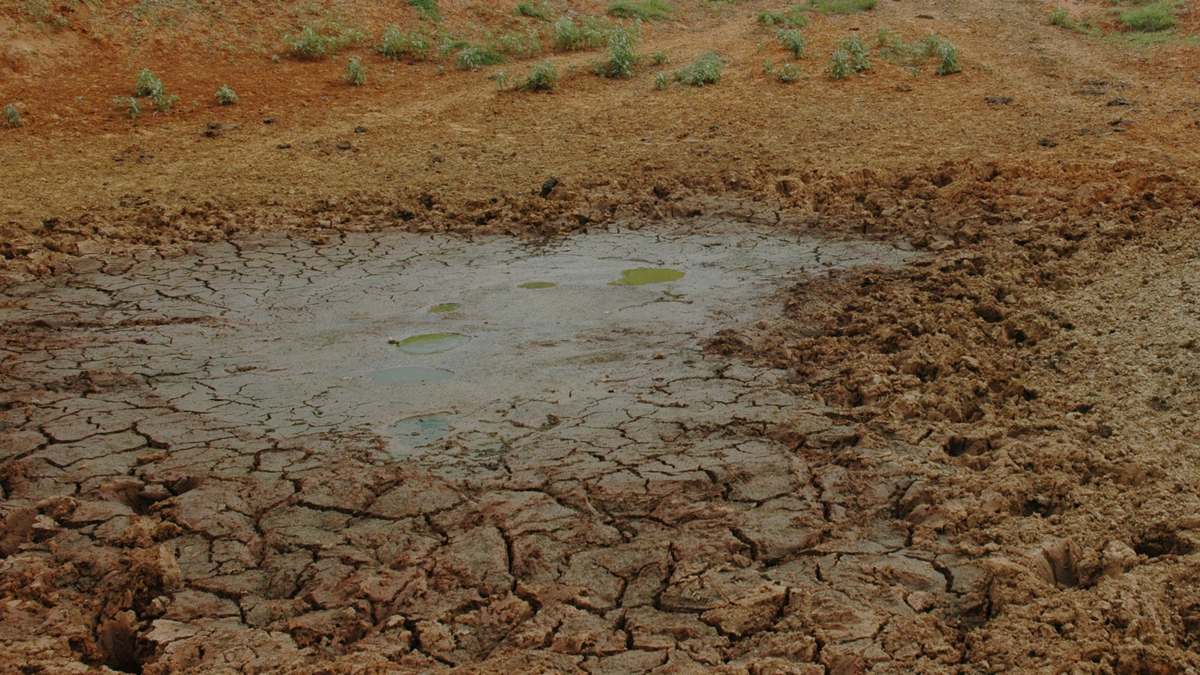
Soil type is often a limitation. In some cases, the soil is either completely unsuitable or it will take a lot of amendments to make a pond work, which comes with additional costs. Even from the start, ponds are not cheap. Even a small tank will cost several thousand dollars.
If a surface pond can’t be built on a property because of soils, or a lack thereof, then how do we provide water for wildlife on a property? One underused method for attracting wildlife is the installation of rainwater harvesting devices to provide supplemental sources of water for native animals.
Intro to Rainwater Harvesting for Wildlife
Rainwater collection is ideal for most property owners because of it’s simplicity, efficiency and cost effectiveness . Property owners often underestimate how much even a small, wildlife-friendly water trough on their land means for local wildlife. And you would not believe how much even a small water catchment can collect in a year.
The amount of rainfall in Texas varies greatly from east to west. The East Texas averages more than 48 inches of rainfall annually! Central Texas averages a respectable 35 inches. South Texas gets about 20 inches and the Trans-Pecos region gets only about 14 inches of rain each year.
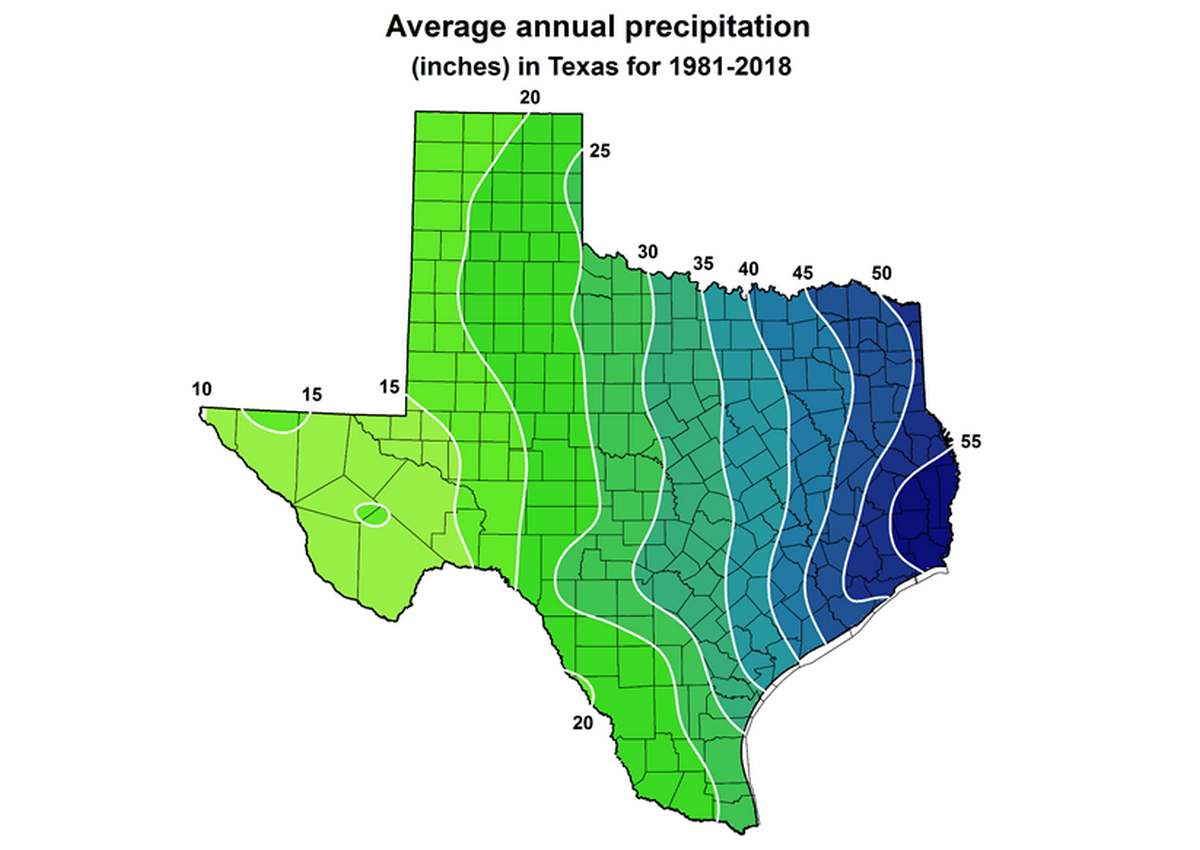
The amount of water one can harvest from rainfall in an area is directly proportional to the amount of catchment a collection system has, or basically the size of a “roof” in square feet, and the size of the storage tank for holding all of that water. You can’t store more than you can hold.
For example, a rainwater collection system that is a mere 4-foot by 8-foot in size, equivalent to the size of a sheet of plywood, will collect almost 300 gallons of water each year in a 14-inch rainfall area. Most landowners in Texas get well over twice that amount of rain.
The key is to determine the time of year when rain falls in your area and then have a storage tank that can take advantage of that rainfall. If all the rain happens during a certain season then you will want a large storage tank so that you can deliver that water throughout the remainder of the year. If it rains fairly regularly in your area, throughout the year, then you only need a small storage tank because it will continually be refilled.
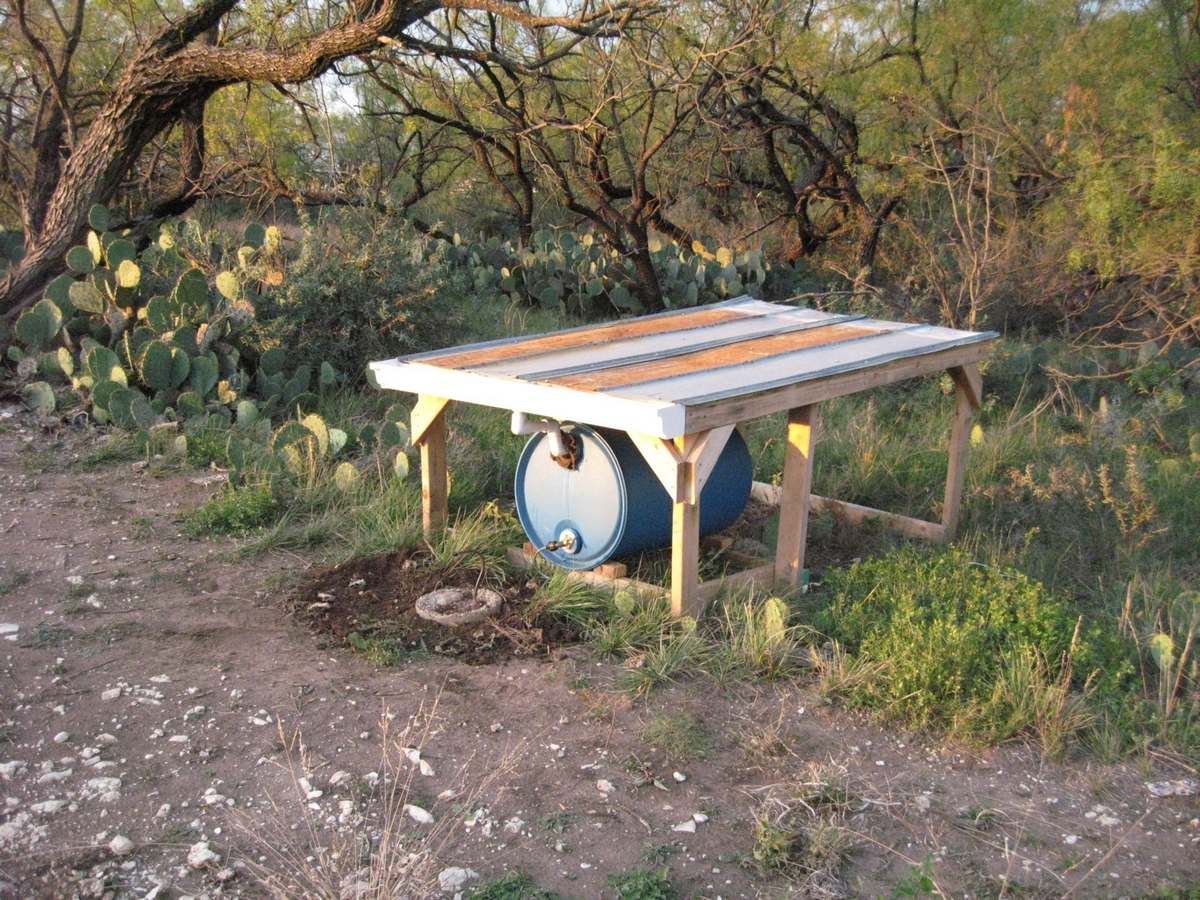
Rainwater can be captured using numerous kinds of devices and the best system for a landowner often depends of their objectives. To make the best choice for a specific property, land managers should consider myriad factors, including the sources of water currently available on a property, the number and diversity of wildlife on the land, differences in mobility for various species, and the options available for harvesting, storing and conveying rainwater to wildlife.
Even with existing water sources on a property, harvesting rainwater in other areas where surface water is not available can better distribute water on the landscape, thus increasing the amount of usable space for wildlife on your land.
Providing Supplement Water for Wildlife
In Texas, landowners can maintain an agricultural tax valuation on land that is actively managed for native wildlife. This means property owners can hold on to the low tax rate afforded by an ag tax valuation on land without participating in traditional farming, ranching or timber practices.
For land to qualify for a wildlife tax valuation, it must currently have an ag tax valuation and the property owner must manage the land to sustain a breeding population of local, migrating or wintering wildlife.

To apply, landowners must submit a wildlife management plan to the local county appraisal district that identifies the wildlife species that will be managed on the property and implement at least three qualifying management practices that will be performed.
All wildlife and habitat management practices that benefit your species of interest can be performed. Providing supplemental supplies of water is one of practices accepted in a wildlife management plan. On properties that lack surface water, providing water for wildlife is a great place to start.
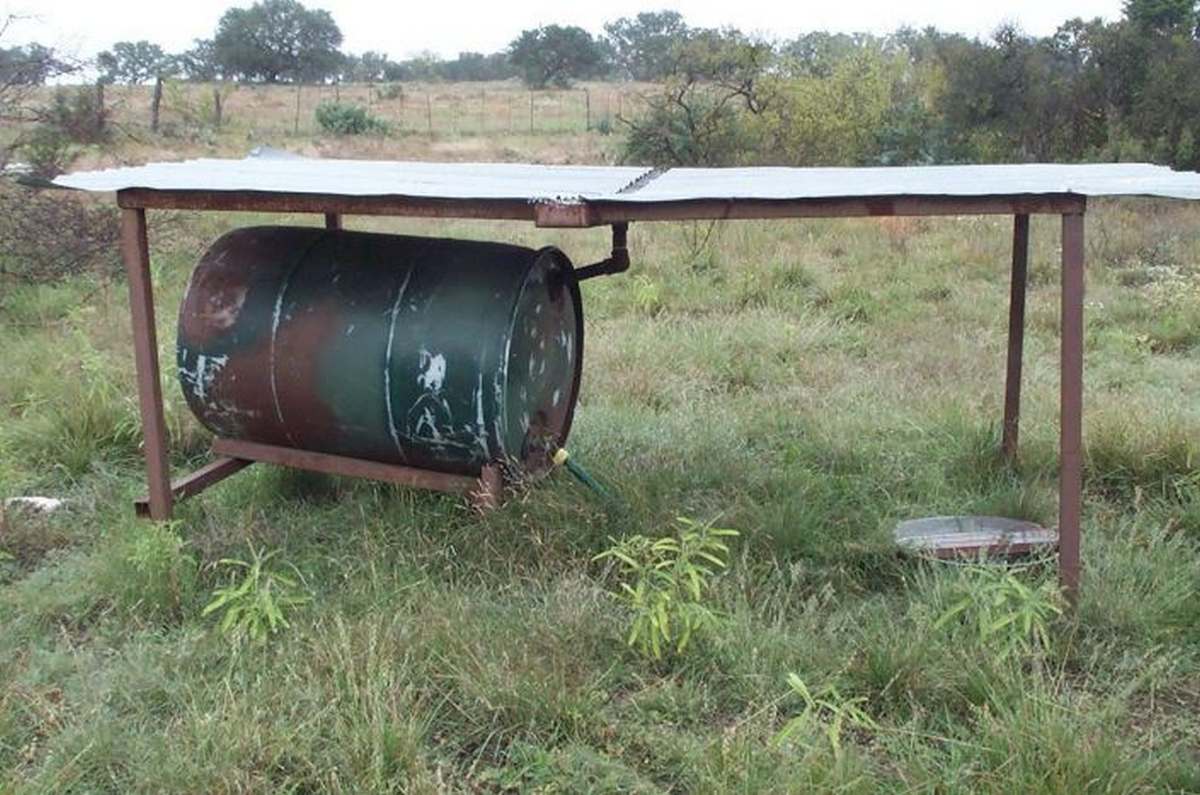
How to Attract Wildlife with Water
Water is a natural attractant. We love it. Animals love it. We all need it to survive. Landowners anywhere can attract native wildlife to their properties by developing rainwater harvesting systems. Consider installing a rainwater harvester on your property if you currently lack surface water.
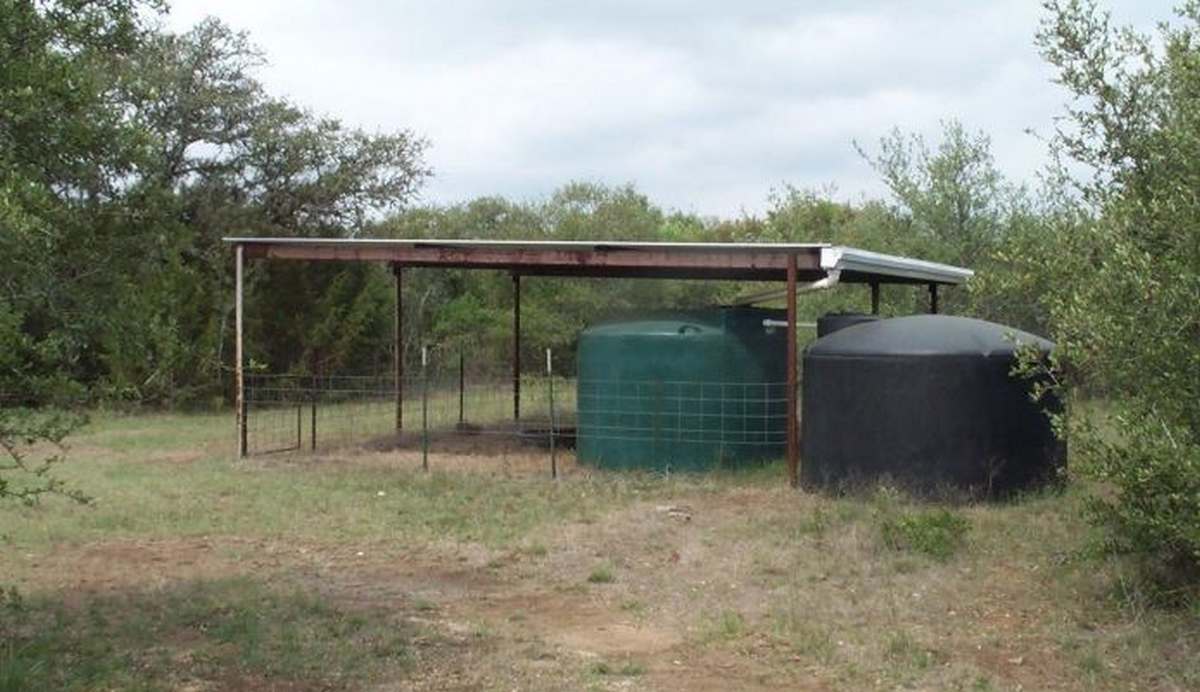
There are a variety of commercially available rainwater collection and water guzzler systems that do a great job of collecting, storing and delivering water to wildlife. Rainwater harvesting systems are also easy to design and make. I’d be that most landowners can build one right now with the stuff they have lying around on their property.
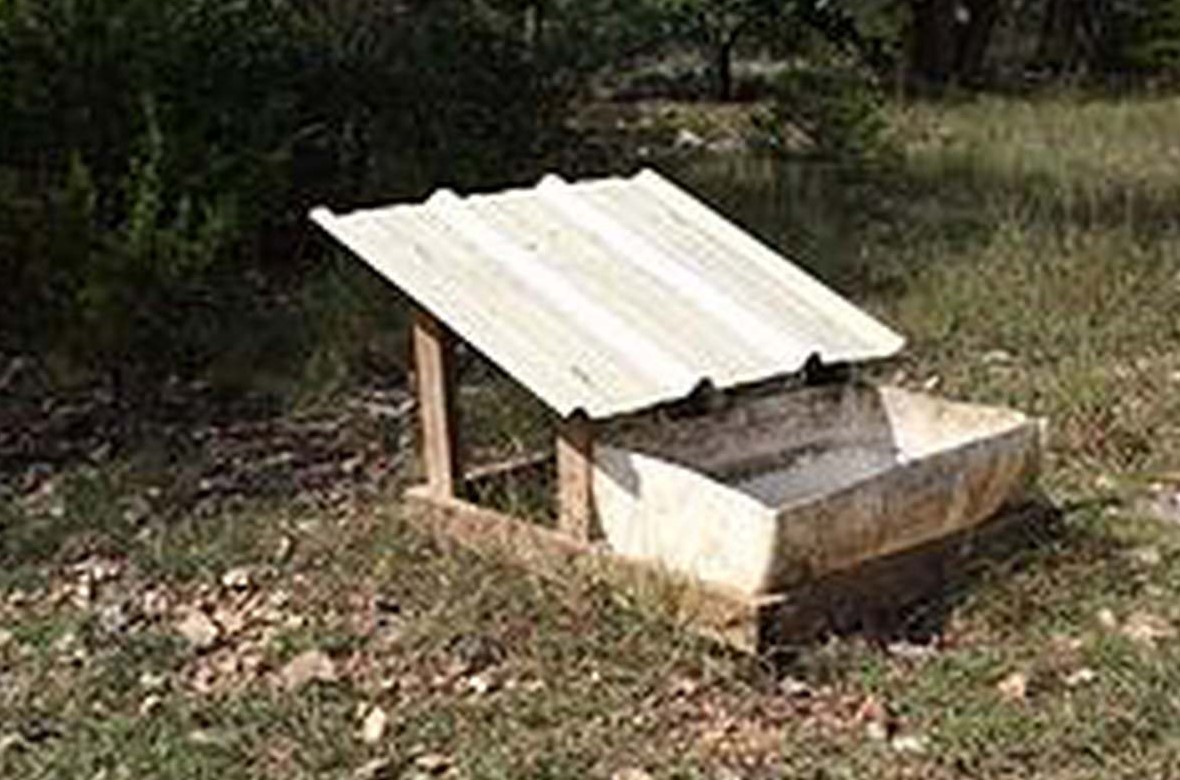
If you’ve currently got an existing roof on an old livestock barn or house on your rural property, then you’re half way there. How you provide water for wildlife on your property is up to you. Whether you collect it or not, rain will fall.
A collection system is an easy, cost-effective way to provide dependable water year-round. Consider rainwater harvesting for wildlife if you want to attract and maintain native wildlife populations on your land.
Rainwater Harvesting for Wildlife Exemption
In Texas, providing supplemental water can qualify as a wildlife management practice for maintaining agricultural tax valuation under wildlife management use. When managed properly, supplemental water falls under the approved category of providing supplemental supplies of water.
This practice is especially important in areas where natural surface water is limited, seasonal, or unreliable. By installing and maintaining ponds, wildlife guzzlers, trough systems, or rainwater collection structures, landowners help ensure that native species have consistent access to drinking water throughout the year.
To qualify for wildlife management use, supplemental water must be part of a comprehensive wildlife management plan that targets specific native species and documents active stewardship. When properly implemented and documented in accordance with guidelines from the Texas Parks and Wildlife Department, supplemental water development can serve as a legitimate and effective qualifying practice for wildlife exemption in Texas.