Qualifying Wildlife Management Practices
For many Texas landowners, converting from traditional agricultural use to wildlife management is an attractive way to maintain a property tax valuation while enhancing habitat and biodiversity. However, confusion often arises around two common questions:
- What animals qualify for a wildlife exemption?
- What counts as wildlife management?
The answers are broader—and more structured—than many people realize. Wildlife tax valuation (often called a wildlife exemption) does not hinge on managing one specific animal. Instead, it requires actively implementing qualifying wildlife management practices that sustain native species and their habitat.
This article provides a comprehensive overview of qualifying wildlife management practices, including native species, game vs. non-game wildlife, and the seven core management categories landowners must follow.
What Is Wildlife Tax Valuation?
Wildlife tax valuation is not technically an exemption from property taxes. Instead, it is a special agricultural appraisal category that allows land to maintain an agricultural-use valuation while being managed primarily for wildlife.
Rather than raising cattle, growing crops, or producing hay, a landowner in Texas may choose to manage the property to sustain breeding, migrating, or wintering populations of native wildlife.
To qualify, the land must:
- Have previously qualified for agricultural valuation
- Be actively managed for native wildlife
- Implement at least three of seven approved wildlife management practices annually
- Maintain documentation and a written wildlife management plan
What Animals Qualify for Wildlife Management?
One of the biggest misconceptions about wildlife tax valuation is that it only applies to popular game species like deer or turkey. In reality, qualifying wildlife includes a wide range of native animals.
Native Species Requirement
Wildlife management must benefit indigenous (native) species that are naturally found in the region. Exotic species—such as axis deer or feral hogs—do not qualify.
Native species may include:
- White-tailed deer
- Wild turkey
- Bobwhite quail
- Mourning dove
- Waterfowl
- Songbirds
- Raptors
- Small mammals
- Reptiles and amphibians
- Pollinators such as native bees and butterflies
The key requirement is that the species must be native and part of the natural ecosystem.
Game vs. Non-Game Wildlife
Wildlife tax valuation applies to both game and non-game species.
Game Wildlife
Game species are animals that are legally hunted or harvested under regulated seasons. Examples include:
- White-tailed deer
- Wild turkey
- Dove
- Quail
- Ducks
Many landowners choose to manage their property for game species because of recreational hunting opportunities. However, hunting alone does not qualify as wildlife management. The land must actively support habitat improvement.
Non-Game Wildlife
Non-game species include:
- Songbirds
- Bats
- Native reptiles
- Amphibians
- Small mammals
- Pollinators
Managing for non-game wildlife is equally valid. For example, a landowner may focus on improving habitat for migratory songbirds or monarch butterflies.
The law does not require managing for a specific species—only that the management efforts benefit native wildlife populations.
What Counts as Wildlife Management?
Wildlife management is defined as actively implementing practices that promote a sustaining breeding, migrating, or wintering population of native wildlife.
Simply allowing land to “go natural” does not qualify. Passive use is insufficient. The landowner must demonstrate intentional, ongoing habitat improvement. It starts with the management plan and application process and and carries through each year of active management.
To qualify, landowners must perform at least three of the following seven practices each year.
The Seven Qualifying Wildlife Management Practices
1. Habitat Control (Habitat Management)
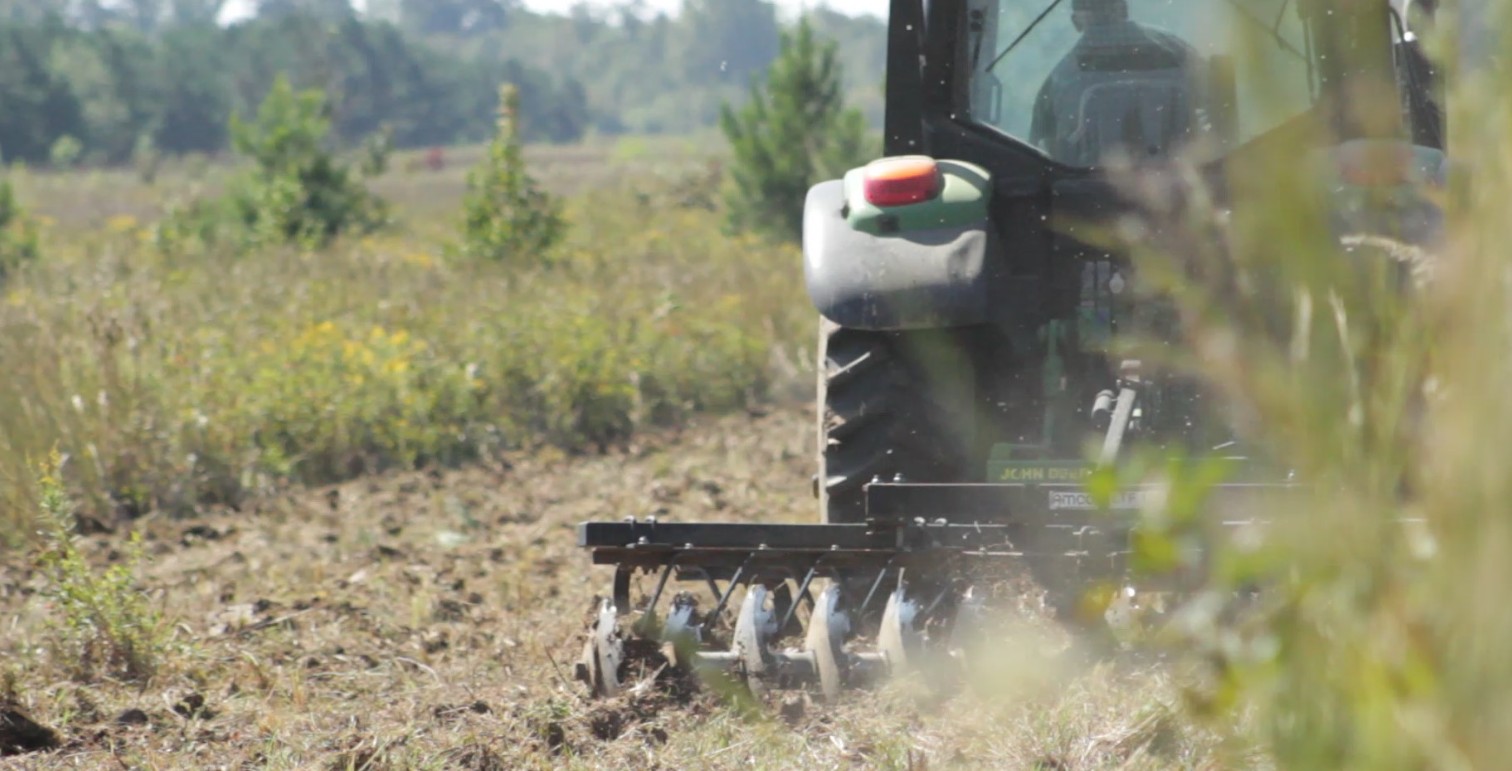
Habitat control is the most common wildlife management practice. It involves actively managing vegetation and habitat structure to benefit wildlife.
Examples of Habitat Control
- Brush management to create edge habitat
- Selective clearing
- Timber thinning
- Prescribed burning
- Native grass restoration
- Invasive species removal
For example, selectively clearing dense cedar to restore native grasses can significantly improve habitat for quail and deer.
Habitat control improves food sources, cover, nesting areas, and travel corridors.
2. Erosion Control
Erosion damages soil health, water quality, and plant communities. Controlling erosion protects wildlife habitat long term.
Examples of Erosion Control
- Installing water bars
- Building terraces
- Stabilizing stream banks
- Planting native grasses on bare soil
- Using riparian buffers
Healthy soil supports plant growth, which directly benefits wildlife through food and shelter.
3. Predator Control
Predator control must be ethical, legal, and focused on protecting native wildlife populations.
This does not mean eliminating all predators. Instead, it involves managing predator populations where necessary to maintain balance.
Examples of Predator Control
- Controlling feral hogs
- Managing coyotes in quail nesting areas
- Removing invasive predators
- Coordinated trapping programs
For instance, feral hog removal helps ground-nesting birds and reduces habitat destruction.
4. Providing Supplemental Water
In areas where natural water sources are limited, supplemental water can significantly benefit wildlife.
Examples of Supplemental Water
- Installing wildlife guzzlers
- Developing ponds
- Trough modifications for wildlife escape
- Rainwater catchment systems
Water improvements are especially important in drought-prone regions.
5. Providing Supplemental Food
Supplemental feeding must support wildlife nutrition without replacing natural habitat management.
Examples of Supplemental Food
- Food plots with native forbs and legumes
- Winter protein supplementation for deer
- Planting mast-producing trees
- Wildlife feeders (where legal)
Food plots designed for pollinators may also qualify if properly implemented.
6. Providing Shelter
Shelter provides nesting sites, escape cover, and protection from weather.
Examples of Shelter Improvements
- Installing nest boxes for songbirds or wood ducks
- Building brush piles
- Creating bat houses
- Managing shrub thickets
- Retaining snags for cavity nesters
For example, installing wood duck boxes near ponds can enhance breeding habitat for native waterfowl.
7. Census Counts (Wildlife Population Monitoring)
Census counts involve tracking wildlife populations to evaluate management effectiveness.
Monitoring helps landowners make informed habitat decisions and demonstrates active management.
Examples of Census Counts
- Trail camera surveys
- Spotlight counts
- Deer browse surveys
- Bird call counts
- Quail covey counts
Documentation is critical. Photos, logs, and written reports support continued qualification.
How Many Practices Are Required?
To qualify for wildlife tax valuation, a landowner must implement at least three of the seven practices annually.
However, many successful wildlife management plans incorporate four or more practices to ensure long-term sustainability.
Consistency is key. Sporadic or minimal activity may jeopardize qualification.
The Importance of a Wildlife Management Plan
A written wildlife management plan is required when transitioning from traditional agriculture to wildlife management.
The plan typically includes:
- Target species
- Property description
- Current habitat conditions
- Management goals
- Selected qualifying practices
- Annual activity schedule
The plan should be realistic, regionally appropriate, and tailored to the property’s ecosystem.
What Does NOT Qualify as Wildlife Management?
Many landowners mistakenly believe certain activities count when they do not.
The following generally do not qualify on their own:
- Recreational hunting
- Simply owning wildlife
- Letting land go unused
- Occasional mowing
- Feeding wildlife without habitat improvement
Wildlife management must be intentional, measurable, and documented.
Managing for Ecosystem Health
Effective wildlife management focuses on ecosystems rather than individual animals. Management practices generally focus on habitat rather than wildlife. Wildlife benefit as native plant communities improve in health.
Healthy ecosystems support:
- Diverse plant communities
- Balanced predator-prey relationships
- Pollinators
- Soil stability
- Clean water
By improving habitat diversity and ecological function, landowners support a wide range of wildlife species.
Long-Term Commitment
Wildlife tax valuation is not a one-time effort. It requires:
- Annual implementation of practices
- Recordkeeping
- Adaptive management
- Continued habitat improvement
Landowners who embrace wildlife management often find it more rewarding than traditional agricultural production because it improves biodiversity, recreational opportunities, and land stewardship.
Final Thoughts
Qualifying wildlife management practices allow landowners to maintain a wildlife exemption in Texas while enhancing native wildlife habitat. The focus is not on a specific animal but on sustaining native species through active, documented habitat improvement.
To maintain eligibility, landowners must:
- Manage for native wildlife
- Implement at least three of seven approved practices
- Keep records
- Follow a written wildlife management plan
Whether managing for deer, songbirds, pollinators, or waterfowl, successful wildlife management improves both property value and ecological health.

Understanding what animals qualify and what counts as wildlife management ensures landowners remain compliant while contributing positively to conservation efforts.
Wildlife tax valuation is more than a tax strategy—it is a long-term investment in the land and the native species that depend on it.