Wildlife Exemption: Application & Reporting
For Texas landowners, transitioning from traditional agricultural valuation to wildlife management valuation can be one of the most rewarding and strategic decisions you make for your property. The wildlife exemption—more accurately known as wildlife management use appraisal—allows qualifying landowners to maintain their agricultural valuation while managing their land primarily for wildlife.
Administered under the oversight of the Texas Comptroller of Public Accounts and implemented locally by your county appraisal district, the process requires careful planning, detailed documentation, and strict adherence to deadlines. This guide walks you step-by-step through converting from agricultural use to wildlife use, understanding annual requirements, gathering documentation, meeting deadlines, and aligning with county appraisal expectations—so you can move forward with clarity and confidence.
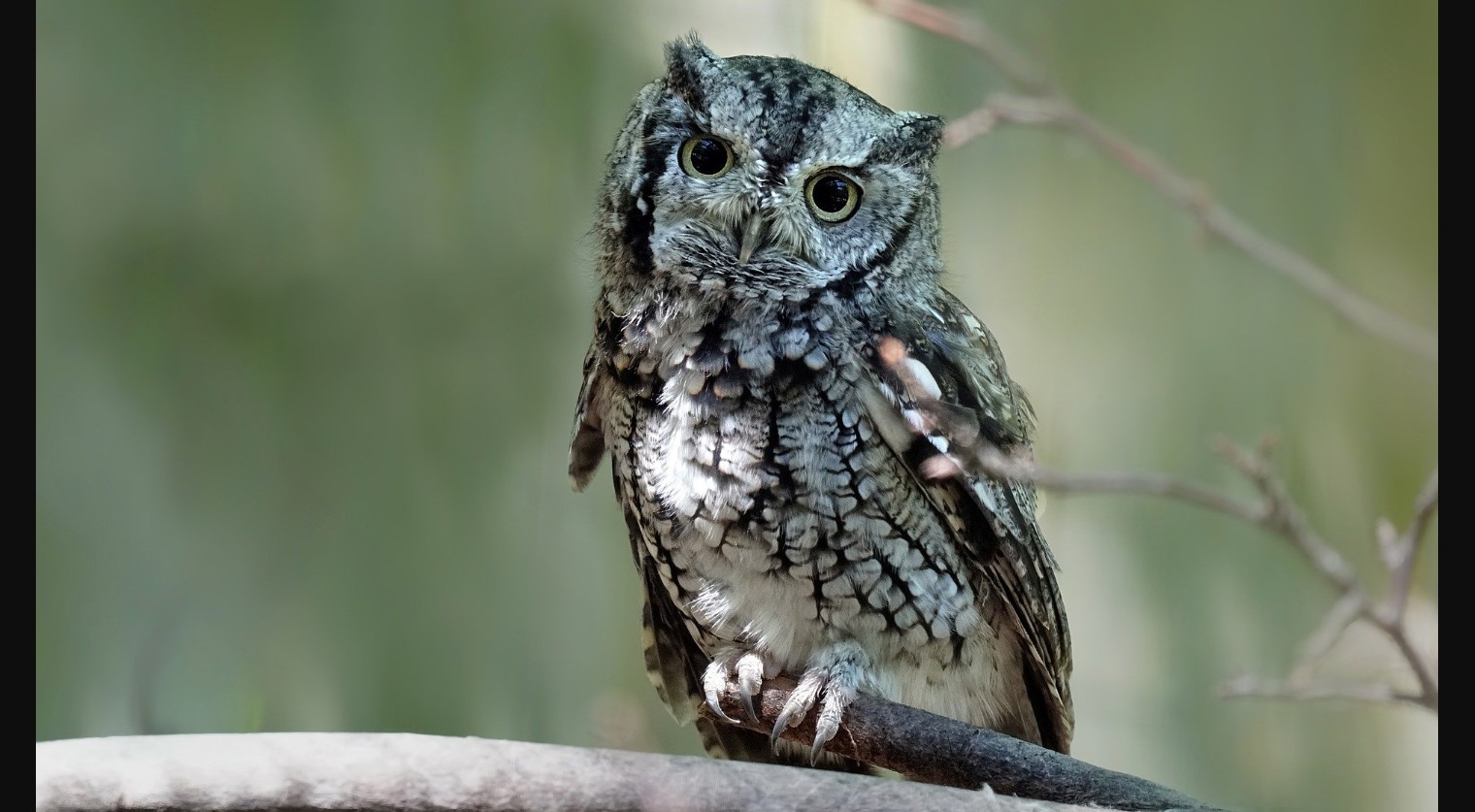
Understanding the Wildlife Management Valuation in Texas
Before diving into paperwork, it’s important to understand what the wildlife exemption really is—and what it is not. Wildlife management valuation is not a new or separate tax category. Instead, it is a continuation of your existing agricultural (1-d-1 open-space) valuation. The difference is that instead of producing livestock or crops, you are managing the land to sustain a breeding, migrating, or wintering population of indigenous wildlife.
To qualify, your property must already be under agricultural valuation. You cannot move directly from standard market value to wildlife management valuation. If your property has never been under agricultural appraisal, it must first qualify under traditional agricultural use before you can convert.
The state requires that landowners implement at least three of seven recognized wildlife management practices annually. These include habitat control, erosion control, predator control, providing supplemental water, providing supplemental food, providing shelter, and conducting population census counts. Each activity must be intentional, documented, and sufficient for your property’s size and ecological region.
Step 1: Confirm Eligibility Before You Apply
The first and most critical step is verifying that your property qualifies to convert from agricultural use to wildlife management use.
Existing Agricultural Valuation Requirement
Your land must currently have 1-d-1 open-space agricultural valuation. If you recently purchased the property, confirm with your county appraisal district that the agricultural valuation is active and in good standing. If the previous owner allowed the valuation to lapse, you may need to requalify under agricultural use before applying for wildlife management.
Minimum Acreage Standards
There is no statewide minimum acreage for wildlife management. Instead, eligibility is tied to what the land historically qualified for under agricultural use. In many counties, the acreage requirement remains the same as the ag-use threshold. However, counties may impose minimum tract sizes if land has been subdivided. Checking local rules with your county appraisal district is essential.
Degree of Intensity Standards
Each county has “degree of intensity” standards for agricultural production—and wildlife management must meet a comparable level of intensity. This means your wildlife plan cannot be minimal or symbolic. It must reflect active, ongoing land management consistent with regional expectations.
Our role as a guide is to evaluate your property, review county-specific standards, and ensure your plan meets the required intensity before submission.
Step 2: Develop a Comprehensive Wildlife Management Plan
The wildlife management plan is the backbone of your application. Without a properly prepared and detailed plan, your application will likely be delayed or denied.
Required Form and Structure
Most counties require submission of a State of Texas form, Texas Parks and Wildlife’s Wildlife Management Plan form (PWD 885). While Texas Parks and Wildlife Department provides the guidelines, your county appraisal district ultimately reviews and approves the plan that you submit.
Core Components of the Plan
Your wildlife management plan must include:
- Property description and acreage
- Target species (native wildlife)
- Current habitat conditions
- Planned management practices (minimum of three qualifying categories)
- Activity schedule for the year
- Maps, photos, and supporting documentation are helpful
The more detailed and property-specific your plan, the smoother the approval process. Generic, copy-and-paste plans are a red flag for appraisal districts.
We work closely with landowners to craft customized plans aligned with county expectations and appraisal region standards—eliminating the risk of denial costly time.
Step 3: Submit the Application to Your County Appraisal District
Once your wildlife management plan is complete, you must submit it alongside the Application for 1-d-1 Open-Space Appraisal to your county appraisal district. This is a standard form and we will walk you through the process.
Filing Deadline
The standard filing deadline is April 30 of the tax year in which you are seeking wildlife management valuation. Missing this deadline can result in penalties or loss of eligibility for that tax year.
Late applications may be accepted up to the appraisal roll certification date (typically in July), but a penalty of up to 10% of the tax savings may apply.
What to Submit
A complete application package for converting from traditional ag uses to wildlife management use generally includes:
- Wildlife Management Plan
- 1-d-1 Open-Space Agricultural Appraisal Application
- General property map
- Supporting documentation, such as photos, receipts, activity logs, when requested
- Any additional county-specific forms
Counties may request clarification or additional documentation. Prompt response is critical to keep your wildlife use application on track.
Step 4: Understand County Review and Appraisal Expectations
Each county appraisal district evaluates wildlife applications based on local standards. While state law provides the framework, enforcement is local.
What Appraisers Look For
County appraisers typically evaluate:
- Whether the land previously qualified for ag valuation
- Whether the wildlife plan meets three qualifying practices
- Whether practices meet degree of intensity standards
- Whether the plan is realistic and achievable
- Whether acreage remains consistent with prior qualification
Some counties conduct site inspections. Others may rely heavily on documentation. Either way, organized records significantly strengthen your position.
We help landowners anticipate questions before they arise and prepare documentation that aligns with county review processes.
Step 5: Implement and Document Wildlife Management Activities
Approval is not the end of the process. Wildlife management valuation requires ongoing annual compliance.
Annual Activity Requirements
You must implement at least three approved wildlife management practices each year. Examples of qualifying practices for wildlife include:
- Installing and maintaining supplemental feeders
- Managing invasive plants
- Conducting annual deer or bird population surveys
- Installing nest boxes or brush piles
- Managing water resources for wildlife
Consistency is key. Activities must occur annually and reflect active management—not passive land ownership.
Recordkeeping Best Practices
Proper documentation protects your valuation in the event of audit or review. Maintain:
- Dated photographs
- Receipts for feed, seed, equipment, or services
- Written activity logs
- Survey data or census counts
- Updated maps
Organizing this information throughout the year prevents last-minute scrambling if the county requests verification.
Step 6: Renewal and Ongoing Compliance
Unlike some exemptions, wildlife management valuation does not require annual reapplication. However, that does not mean you can ignore compliance.
When Reapplication Is Required
You may need to reapply if:
- Ownership changes
- Property boundaries change
- The land use changes
- The appraisal district requests updated documentation
Additionally, some counties periodically review wildlife properties to confirm continued eligibility.
Avoiding Rollback Taxes
If your property fails to meet wildlife management requirements, you risk losing your valuation. This could trigger rollback taxes—meaning you owe the difference between market value and agricultural value for up to five prior years, plus interest.
Proper annual management and documentation are your best safeguards against rollback exposure.
Common Mistakes First-Time Applicants Make
Many first-time applicants underestimate the level of documentation required. Common pitfalls include:
- Submitting incomplete wildlife plans
- Failing to meet intensity standards
- Missing filing deadlines
- Implementing fewer than three qualifying practices
- Poor recordkeeping
Another frequent issue is assuming wildlife management is easier than agricultural production. While different, it requires equal commitment and structured planning.
Guidance from experienced professionals can dramatically reduce the learning curve.
How Our Company Guides You Through the Paperwork
Applying for wildlife management valuation can feel overwhelming—especially when navigating county-specific rules and state guidelines. Our company specializes in guiding Texas landowners through the paperwork side of the process.
Our Step-by-Step Support Includes:
- Eligibility review and property assessment
- Custom wildlife management plan preparation
- County-specific intensity compliance review
- Application assembly and submission guidance
- Documentation templates and recordkeeping systems
- Ongoing compliance support
We understand how appraisal districts evaluate applications and what documentation strengthens approval odds. Our focus is making the process clear, organized, and defensible—so you can focus on stewarding your land.
Final Thoughts: Turning Land Stewardship Into Tax Stability
Wildlife management use of land offers Texas landowners the opportunity to preserve open-space tax benefits while enhancing habitat and supporting native wildlife. However, a wildlife tax valuation in Texas is not automatic, and it is not passive. It requires planning, documentation, and adherence to county and appraisal region standards.
By understanding eligibility requirements, preparing a thorough wildlife management plan, meeting filing deadlines, implementing annual practices, and maintaining organized records, you can confidently transition from agricultural use to wildlife management use.

For first-time applicants, the process can feel technical and paperwork-heavy—but with the right guidance, it becomes manageable and strategic. Whether you are converting from livestock production or planning long-term land stewardship goals, a well-executed wildlife exemption application protects both your property’s ecological value and its financial sustainability.
If you are considering applying or want help ensuring your current wildlife valuation remains secure, working with an experienced guide can make all the difference.