Designing Nest Boxes for Songbirds
Nest boxes are a great way to provide supplemental shelter for a variety of cavity-nesting songbirds. It’s important that you build (or buy) them right for you and your birds to get the most from the nest boxes on your property. Nest boxes should always be constructed of a weather-resistant wood such as cedar or cypress for long-lasting “bird houses.” The wood can be painted or stained, but make sure to only treat the outside surface.
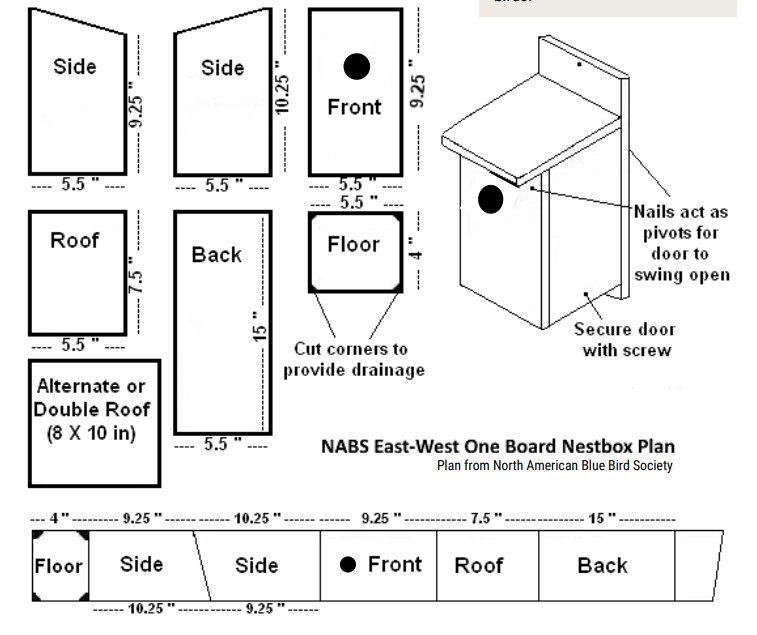
Numerous nest box designs have been used by property owners with success, but we prefer the one-board nest box design. This box is designed for bluebirds, but a variety of cavity-nesting songbirds will nest in this box. It’s important that the entrance hole be 1.5 inches in diameter. With these dimensions in place, it’s kind of a one-stop shop for songbirds. Well, at least those birds that nest in cavities.
A Nest Box for Babies
Additionally, a critically important way to assist fledglings in their climb from the nest to the entrance hole is to roughen up the inside wood surface (under the entrance/exit hole) with a chisel. The lid or one side of the box should have the ability to open, which facilitates monitoring and cleaning.
Lastly, three or four 1/4 inch drain holes should be drilled into the bottom of the nest box. Ventilation and shade requirements are met by overhanging roofs and holes in the bottom.
Nest Box Plan for Wildlife
Nest Box Placement
First, nest boxes should ideally be mounted on a sturdy support pole such as ½ to ¾ inch electrical metal conduit pipe, a T-post, or wooden post. Box entrances should be a minimum of 48-inches above the ground but there is no need to go much higher. Place nest boxes at a height where you can check them regularly.
Nest boxes can be placed just about anywhere, but some places are better that others. First, do not cluster them. Try to keep boxes at least 150-feet from one another. We prefer to place them in proximity to brush or tree cover. This puts nest sites in proximity to potential food and other cover and keeps boxes out of sight from one another. Having some shade around also helps moderate nest box temperature.
It’s recommended that nest boxes be placed on either the north or east side (or somewhere in between) of a tree, shrub or edge of a woodland in order to keep the box out of the afternoon sunlight, which can help nest box occupants when temperatures heat up. Not a big deal early in the nesting season but proper nest box placement does help down the road.
Monitoring Nesting Boxes
Monitoring nest boxes for songbirds requires consistent observation, careful recordkeeping, and minimal disturbance to nesting birds. Boxes should be checked at least once a week during the breeding season to document occupancy, species identification, nest stage, and the number of eggs or nestlings present.
Observations should be brief and conducted during mild weather to avoid stressing adults or exposing young to temperature extremes. Monitors should look for signs of predation, parasite infestation, or competition from invasive species such as the House Sparrow and the European Starling, which may require management to protect native birds.
Keeping detailed records of hatch dates, fledging success, and nest outcomes helps evaluate habitat quality and long-term population trends. Proper sanitation, including removing old nests at the end of the season where appropriate, reduces parasites and encourages reuse in future years.
Lastly, pay attention to which boxes the birds on your property are using. In addition to nest box design, box location is important, too! If specific nest boxes remain unoccupied after several years then we recommend those next boxes be relocated to a new, sweeter spot. Nest boxes are like real estate… location, location, location!
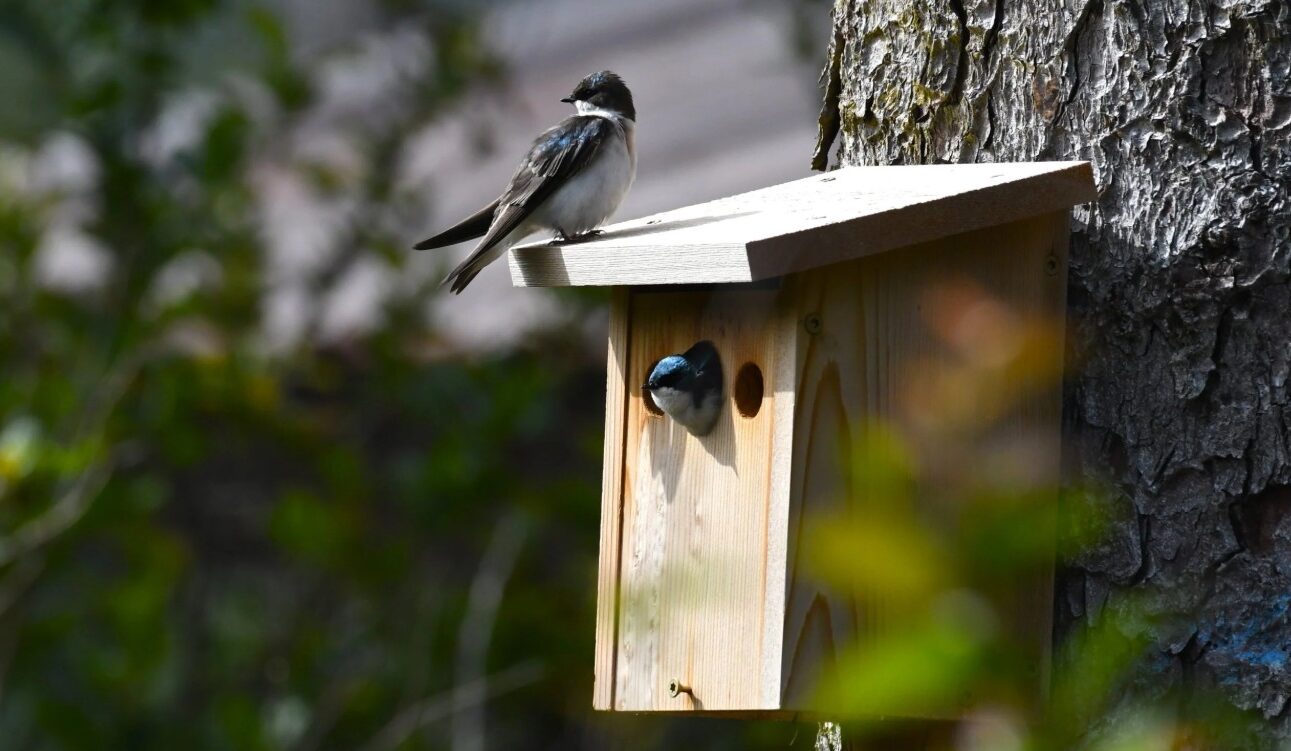
Next Boxes: A Qualifying Practice
In Texas, installing and maintaining nest boxes can qualify as supplemental shelter under wildlife management use for agricultural tax valuation. Properly designed nest boxes provide critical nesting and roosting habitat where natural cavities are limited. This management practice supports native songbirds, small mammals, and other cavity-dependent species.
To qualify, the activity must be part of a written wildlife management plan that meets standards established by the Texas Parks and Wildlife Department. The plan should identify target species, box placement strategies, monitoring schedules, and maintenance procedures.
Landowners must also document ongoing management, such as seasonal inspections, repairs, and data collection. When implemented correctly, nest boxes enhance habitat availability and demonstrate active wildlife stewardship consistent with Texas wildlife exemption requirements.