The wildlife exemption is an increasingly important land-use tool for rural landowners in McLennan County, Texas. It allows property owners to maintain an agricultural tax valuation while shifting from traditional farming or ranching to active wildlife management. In a region shaped by the Cross Timbers and Blackland Prairie ecosystems, this program not only provides financial incentives but also plays a critical role in conserving native habitats and biodiversity.
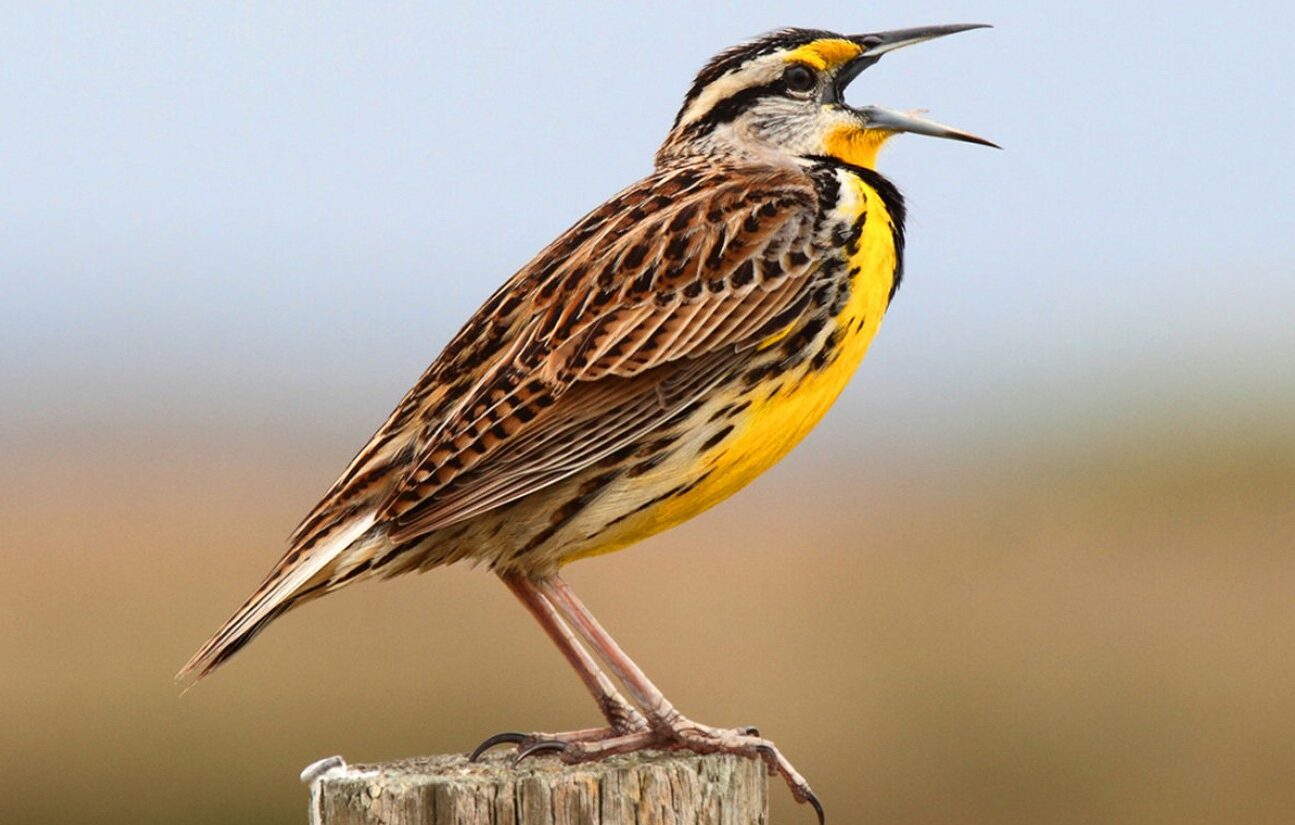
Overview of the Wildlife Exemption in McLennan County
In Texas, including McLennan County, land must already qualify for agricultural valuation before it can transition to wildlife management use. Once converted, the landowner must demonstrate that the primary use of the property is to support a sustaining population of indigenous wildlife. This includes species used for recreation, food, or ecological value.
The program is not passive. Landowners must actively implement at least three out of seven approved wildlife management practices: habitat control, erosion control, predator control, supplemental water, supplemental food, supplemental shelter, and wildlife census activities. These practices must meet specific intensity standards and align with guidelines developed by the Texas Parks and Wildlife Department (TPWD).
Equally important is documentation. Landowners are expected to maintain records such as photographs, logs, and management plans that demonstrate consistent effort. Failure to meet these standards can result in the loss of the valuation and a significant increase in property taxes.
Ecological Context: Cross Timbers and Blackland Prairie
McLennan County lies at the intersection of two major ecological regions: the Cross Timbers and the Blackland Prairie. Each presents distinct challenges and opportunities for wildlife management.
The Blackland Prairie is characterized by deep, fertile clay soils and was historically dominated by tallgrass prairie. Today, however, most of this ecosystem has been converted to agriculture, leaving only small remnants of native habitat. This makes wildlife management efforts particularly valuable for restoring native plant communities and supporting species such as grassland birds, pollinators, and small mammals.
The Cross Timbers region, by contrast, is a mosaic of oak woodlands, savannas, and grasslands. It supports a wide diversity of wildlife and requires a more complex, systems-based management approach. Nearly all land in this region is privately owned, meaning that conservation success depends heavily on informed landowners.
Key Wildlife Management Practices
To qualify for and maintain a wildlife exemption in McLennan County, landowners must tailor their management strategies to these ecological regions. Several practices are especially relevant.
Habitat Control
Habitat control is often the cornerstone of wildlife management. In both the Cross Timbers and Blackland Prairie, this involves managing plant communities to promote native species and improve habitat diversity.
In the Cross Timbers, selective brush management is critical. While removing invasive or overabundant woody plants can improve grassland habitat, over-clearing can be detrimental. Native brush provides essential cover and food for wildlife, and once removed, it is difficult to restore.
In the Blackland Prairie, habitat control often focuses on restoring native grasses and forbs. Because so little native prairie remains, even small restoration efforts—such as reseeding native species or reducing invasive plants—can have significant ecological benefits.
Prescribed Burning
Prescribed fire is a powerful tool in both regions. Fire helps control invasive species, recycles nutrients, and promotes the growth of native grasses and wildflowers. In the Cross Timbers, prescribed burns are often used in combination with grazing management to maintain a balance between woody vegetation and open grassland.
Timing is critical. “Cool season” burns conducted in winter are generally preferred because they minimize harm to wildlife during nesting seasons while still achieving management objectives.
Supplemental Water and Food
In both ecological regions, especially during periods of drought, providing supplemental water can be a key management practice. This may include installing wildlife water guzzlers, maintaining ponds, or ensuring access to natural water sources.
Supplemental feeding—such as planting food plots or providing feeders—can also support wildlife populations. However, these practices must be used strategically and in conjunction with habitat improvements to avoid dependency or ecological imbalance.
Predator Control and Census
Predator control may be necessary in some cases to protect vulnerable species, but it must be conducted responsibly and within legal guidelines. Equally important is conducting regular wildlife censuses, which allow landowners to track population trends and adjust management strategies accordingly.
Census techniques can include trail cameras, spotlight surveys, and observational counts. These data-driven approaches are essential for demonstrating compliance with wildlife exemption requirements.
Conclusion: Managing for Wildlife in McLennan County
The wildlife exemption in McLennan County represents a valuable opportunity for landowners to balance economic and ecological goals. By shifting from traditional agriculture to wildlife management, landowners can reduce their tax burden while contributing to the conservation of Texas’s native ecosystems.
Success under this program requires more than minimal effort. It demands a thoughtful, science-based approach that considers the unique characteristics of the Cross Timbers and Blackland Prairie regions. Through practices such as habitat control, prescribed burning, and rotational grazing, landowners can create sustainable landscapes that support both wildlife and long-term land stewardship.
As urban expansion and agricultural pressures continue to reduce natural habitats, the role of private landowners in conservation becomes increasingly important. In this context, the wildlife exemption is not just a tax benefit—it is a powerful tool for preserving the ecological heritage of Central Texas.